Penge House Clearance in Penge

Penge House Clearance provides a practical house clearance service in Penge for homes that need furniture, appliances, household effects and general contents removed with care. The work can support a move, a change in tenancy, a bereavement clearance or a long-planned declutter, always with the aim of leaving the property ready for its next stage. We focus on a clear, orderly approach, so customers know what will be taken, what can be separated for reuse and what will be handled as waste.
Our service is built around careful sorting and sensible removal rather than hurried lifting. That means identifying reusable items, separating materials for recycling where possible and dealing with the remaining contents in a tidy way. For many customers, the most useful outcome is not just an empty space, but an organised process that reduces disruption and keeps the clearance manageable. If you are arranging a clearance in the area, a straightforward enquiry is the best place to start.
We can help with full and partial clearances, from a single room to an entire property, and the work can be adapted to the contents present on the day. Where access is tight, possessions are fragile or some items need to stay behind, the clearance plan can reflect that. Clear instructions at the outset make it easier to protect the things that matter and remove only what has been agreed.
House clearance arranged around the property and contents
House clearance is rarely just a matter of loading a van. Different rooms often hold different types of items, and the most sensible approach is to work through them in a practical sequence. Larger furniture may need to be removed first, then smaller household contents, decorative pieces, boxed items and stored belongings. This reduces the risk of damage and makes it easier to keep track of what is staying and what is going.
Where a property has become difficult to manage, the right clearance can restore order without turning the process into a disruption. We can clear bedrooms, living rooms, dining areas, kitchens, hallways and storage spaces, while keeping in mind that some homes need a gentler pace than others. If you are comparing options, it helps to think about whether you need a partial clearance, a full clearance or a room-by-room approach. pricing and quotes can then be discussed against the actual contents and access involved.
The main aim is to make the work fit the property, not force the property to fit a generic checklist. Some clearances require coordination with estate agents, landlords, family members or tenants, while others are simply about getting a room back into usable condition. In either case, a sensible plan keeps the clearance efficient and helps the customer understand the likely scope before the work begins.
Contents removal for different rooms and storage areas

Many house clearances involve more than the obvious furniture. Cupboards, lofts, understairs spaces and spare rooms often contain boxes, mixed household items, keepsakes and forgotten materials that need to be sorted carefully. A good clearance service takes account of those mixed contents and avoids treating everything as if it belongs in the same pile. That is especially important where some items may be kept, donated, recycled or disposed of separately.
We can also help with items that have built up over time in places such as lofts and garages. These areas can hold seasonal equipment, old paperwork, broken household goods and furniture that no longer has a place elsewhere in the home. loft clearance is often best approached with extra care because access can be more limited and contents are more likely to be stacked or stored unevenly. Similar care applies to garages, where mixed items can need sorting before removal.
Clearance work of this kind is most effective when the service is matched to the room and the contents rather than to an assumed size of job. That means considering whether large items need to come out first, whether fragile items need to be set aside and whether there are heavier pieces that should be removed in a specific order. Thoughtful handling supports a tidier result and lowers the chance of unnecessary disturbance.
Furniture, bulky items and practical removal decisions
Furniture often shapes the pace of a house clearance because it takes the most effort to move and can affect access through doorways, staircases and hallways. Sofas, wardrobes, tables, beds and cabinets may need to be dismantled or lifted in sections depending on the layout of the property. Choosing a service that deals with furniture as part of the broader clearance can make the whole job more coherent, especially when the contents are mixed rather than neatly separated.
We also handle items that are no longer wanted but still need to be removed without fuss. Some customers only need a few bulky pieces taken away, while others want furniture clearing alongside the rest of the home contents. If that is the more suitable option, furniture clearance can be part of a wider plan, and similar items can be grouped for removal so the work stays organised. furniture disposal is useful where items have reached the point of being unsuitable for further use and need to be dealt with responsibly.
It is often worth separating what remains usable from what is simply no longer needed, because that can influence the clearance sequence and the handling of different items. A practical service should be flexible enough to deal with both. That may include single items in a flat, older furniture in a house, or a mix of household pieces that have accumulated over time. The right decision usually depends on condition, access and the volume of contents in the property.
Before the clearance day

A little preparation can make a house clearance smoother without requiring a lot of effort from the customer. It helps to decide in advance which items are definitely staying, which should be removed and whether any contents need to be reviewed before work starts. Where possible, remove personal documents, keys and valuables first. If there are items with sentimental value, it is best to set them aside clearly so they are not mistaken for general contents.
Photographs or a basic inventory are often useful when the property contains a lot of mixed items, but they are not the only way to plan a quotation. Access details, the number of rooms, the presence of loft or garage contents and any large furniture all matter too. home clearance suits properties where several types of rooms and stored items need to be handled together, while house clearance is the broader option when the entire dwelling is involved.
For many customers, the most useful first step is simply to describe the contents honestly and ask for a quotation based on the actual job. That allows the service to be matched to the property rather than to an estimate built on guesswork. A clear conversation at this stage also helps identify whether there are any items requiring special handling or any parts of the property that should be left untouched.
Clearance options for homes, flats and larger properties
Not every property needs the same level of work. A flat may call for careful manoeuvring through shared access areas, while a larger house might involve several rooms, storage spaces and heavier furniture. A good clearance service takes those differences into account, because what matters is not only the volume of contents but also how they are distributed and how the property is arranged. That is why an accurate description of the job is more useful than a generic request.
flat clearance is particularly relevant where access, stairways or communal areas need attention, and it can be planned to minimise inconvenience within the building. In other settings, a full-property approach may be more suitable, especially where the contents are spread through bedrooms, reception rooms and utility spaces. The same principle applies whether the work is part of a moving process, a property handover or a long-overdue clearance of accumulated items.
Different properties also create different priorities. Some need speed and simplicity; others need a more measured sequence so that items can be checked and separated properly. The right option is the one that matches the property condition, the access available and the level of sorting required. That is why a discussion of the contents is more helpful than a promise that every clearance is identical.
Responsible handling, recycling and waste decisions
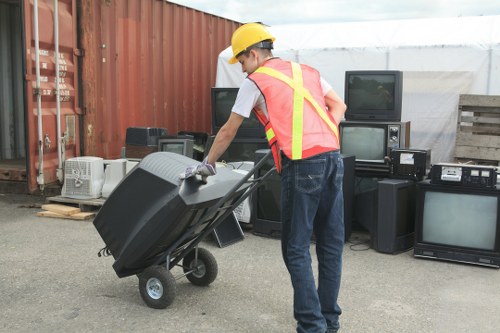
House clearance work should not end once the items are outside the property. Responsible handling matters because homes typically contain a mixed range of materials, including metal, wood, textiles, packaging, electrical items and general household waste. Where items can be separated for recycling or reuse, that step helps avoid unnecessary disposal and keeps the clearance more considered. It also gives the customer more confidence that the process has been handled properly.
For clearances that include items no longer fit for use, waste needs to be managed carefully and in line with the contents being removed. waste removal is relevant where the job extends beyond furniture or household contents and includes mixed rubbish, bagged waste or accumulated materials that need to be cleared at the same time. In other cases, more specific services may fit better, such as builders waste clearance where renovation debris is part of the job rather than domestic items alone.
We aim to keep the process sensible: reusable items separate where appropriate, recyclable materials identified where possible and the remaining waste handled as the final part of the clearance. That approach is useful because it respects the range of items found in real homes instead of forcing everything into one category. It can also reduce unnecessary handling and make the overall service feel more orderly.
Garden, garage and outside-space clearances
Domestic clearances often extend beyond the rooms inside the house. Gardens, sheds, garages and side passages can accumulate items over time, from broken tools and unused storage boxes to old furniture and general clutter. Those spaces benefit from the same practical approach as the rest of the property: identify what should stay, remove what no longer serves a purpose and keep the work structured so the area is left tidier than before.
garden clearance can cover outdoor clutter, plant waste, garden furniture and other unwanted materials, while garage clearance is useful where vehicles, storage or utility equipment share the same space. These areas are often overlooked until they become difficult to use properly, and a focused clearance can restore usable room without turning the job into a major upheaval. In some cases, outdoor and indoor clearances are best combined into one visit.
When the outside areas are included, it helps to think about access, weather and whether any items are stacked or damp. That is not a reason to complicate the job unnecessarily; it simply means the clearance should be planned around the conditions actually present. A well-handled outdoor clearance can make a property feel more complete because it addresses the hidden storage spaces as well as the rooms everyone sees first.
About Penge

Penge is an area in the London Borough of Bromley in south-east London, close to Crystal Palace and tied into the wider suburban pattern of the district. Its name appears in records dating back many centuries, and the modern area developed significantly during the nineteenth century as railways, housing growth and nearby commercial activity reshaped what had previously been a smaller settlement. Penge High Street remains a recognisable local focus, while the surrounding streets show layers of late Victorian and later suburban development. The area has long been linked with Crystal Palace Park and with the transport routes that connect south London to nearby centres. That park, though often associated with several neighbouring districts, forms an important part of the local landscape and gives the area access to open space as well as urban streets. Penge also contains a mix of residential terraces, post-war buildings and shopping parades, reflecting the gradual change from a village edge to a dense London neighbourhood. This combination of older routes, railway influence and everyday commercial streets gives Penge a character that is both practical and historically layered.
Quotation details and practical planning
When you ask for a quotation, the main aim is to match the clearance to the actual contents and access. Factors that may affect the scope include the number of rooms, the volume of furniture, loft or garage contents, stair access, parking considerations and whether the property contains mixed waste as well as household items. A simple description is often enough to begin with, though a fuller explanation can help the quotation reflect the real work more accurately.
One useful way to prepare is to walk through the property and note the rooms, items and spaces that need attention. That can make it easier to separate what is staying from what is leaving, and it helps avoid confusion if different family members or occupiers are involved. If you need a broader clear-out, about us explains the company background, while contact us is the right place to ask for a quotation or arrange the next step.
There is no need to overcomplicate the request. A brief outline of the property, the contents and any access points usually gives enough information to start. If there are especially bulky items, fragile objects or parts of the home that should not be touched, mention those clearly. The more accurate the initial description, the easier it is to plan a sensible and efficient clearance.
Office, business and specialist removal options
Although the main focus here is house clearance in Penge, some customers also need items removed from work premises or mixed-use properties. Offices can contain desks, chairs, filing cabinets, shelving, archive materials and general office clutter, all of which need a considered approach so the removal fits around access and building use. The same principle applies to smaller commercial spaces where the contents are varied rather than uniform.
office clearance is relevant where workspaces need to be emptied, reorganised or prepared for a handover, while business waste removal covers the disposal side of commercial clearances where mixed waste is involved. For customers whose property includes a blend of domestic and trade-related materials, these related services can help shape a plan that matches the actual contents. The key is to choose the nearest fit instead of forcing a domestic service to do a specialist job.
Where the contents are unusual, mixed or partially commercial, the most helpful approach is to describe them plainly and let the service be matched to the task. That may mean separating furniture from waste, documents from general items or storage equipment from household contents. The clearer the category, the more manageable the clearance becomes, and the easier it is to avoid unnecessary handling of items that do not belong in the same removal stream.
Recycling, sustainability and service choices
[IMG_?]
Responsible clearance is not only about getting rid of items; it is also about choosing the right route for what is removed. That might mean reuse, recycling or disposal depending on the condition and type of item. recycling and sustainability sets out the broader approach to that process, while insurance and safety and health and safety policy are useful references where customers want to understand the practical framework behind the work. These pages support a more informed choice, especially where the contents are heavy, awkward or sensitive.
Clearance decisions are often easier when they are based on the condition of the items rather than on assumptions. A piece of furniture may still be reusable, some household materials may be recyclable and some items may simply be unsuitable for further use. Thinking about those categories in advance can make the job more efficient and more considerate. It also helps keep the service grounded in the real contents of the property instead of in a one-size-fits-all promise.
For customers who want a straightforward next step, a concise enquiry is usually enough. Tell us what needs clearing, where it is located and whether there are any access issues, and we can take it from there. If you are ready to move forward, request a quotation and we will help you plan the clearance around the property and its contents.